Autumn Aurora Roadtrip in Canada’s Yukon
If you are looking for fresh ideas on your next roadtrip or to catch the Northern Lights in Autumn, look no further!
The Yukon is dubbed as Canada’s last frontier, a place with staggering untamed beauty. It is home to a large population of wildlife and the largest population of grizzly bears in Canada.
This is the place to be if you don’t like crowds, loves hiking and catching the Northern Lights at your doorstep.
Living in the other side of the world in Singapore, I have always dreamt about seeing the Northern Lights. However, going to the Yukon isn’t a typical travel destination for a Singaporean wanting to catch the Northern Lights.
In fact, I haven’t heard about the Yukon until researching about places to see the Northern Lights outside of Northern Europe!
I was convinced by the incredible pictures of the Yukon landscape on Travel Yukon and decided to take this trip with a side quest of indulging in the famed Canadian ketchup chips.
And blown away I was.
During the time when we were there in late September, fall colours were at its peak and everywhere was filled with a vibrant golden colour. This is the place to be in Autumn.
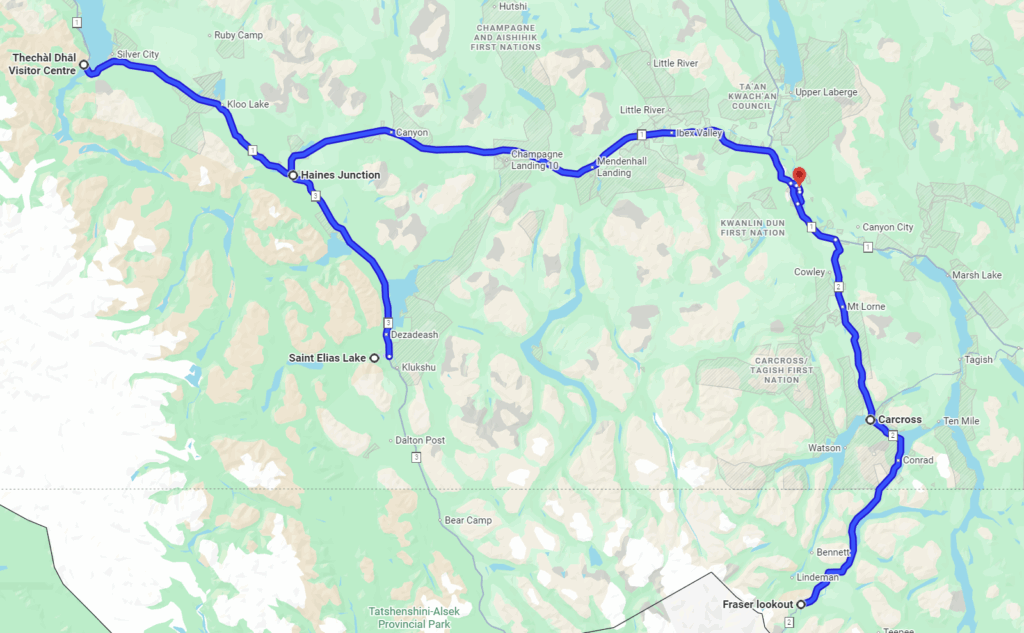
We started our road trip in the capital of the Yukon, Whitehorse adapting it from the longer Golden Circle route.
Yukon Pre-Trip Tips!
Getting to the Yukon
For many, a trip to the Yukon often starts off by flying into the capital of the Yukon, Whitehorse.
To get to Whitehorse, you will need to take a domestic flight from one of the bigger cities in Canada. We flew in from Vancouver! I highly recommend taking Air North, the Yukon’s airline. Their service was great and it is said that the pilots are trained to fly even in the harshest conditions.
The flights was great value, we paid S$163 for a one-way all inclusive ticket with luggage and refreshments on board in late September.
If you are lucky, you might get to try their signature chocolate chip cookie!
Car Rental
If you are travelling here yourself, renting a car is a must as there isn’t any public transportation outside of Whitehorse.
While researching for this trip, we found two rental companies in Whitehorse – Driving Force and Budget.
We ultimately went with Driving Force due to the better reviews online and overall I didn’t have any issues with them. They were very responsive to my queries over email. The pickup and return process from Whitehorse Airport was easy to follow and they even offer after hours services as well.
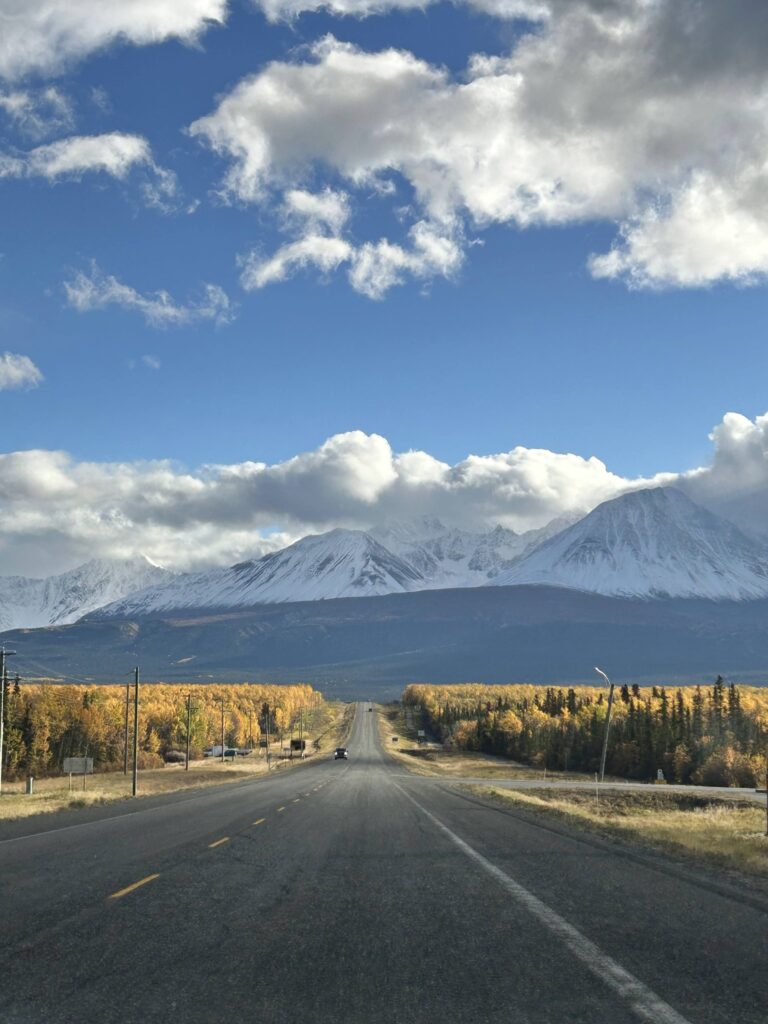
Depending on where you go in the Yukon, the type of car you are planning to rent is very important! For this itinerary, a normal car is sufficient. We rented a simple saloon car – the Nissan Versa.
However, if you are up for an even greater adventure such as challenging the Dempster Highway drive all the way up to the Arctic Circle, you will need a proper 4WD to traverse its gravel roads.
As a tourist, if you have a driving license in your home country issued in French or English it should valid for use for car rental. Otherwise, you will have to get an International Driving Permit (IDP) from your home country.
We had no issues collecting our car using my Singapore driver’s license which issued in English.
You can check out more related driving in Canada details here.
Driving in the Yukon is relatively easy. Outside of the city, Whitehorse, you rarely encounter any traffic especially in the Autumn!
One of the things you will want to do is to plan your fuel stops in advance, as gas stations are scarce outside of town and the cheapest fuel you can find here will most often be in Whitehorse city.
It was my first time driving in Canada, and in my opinion I find that Canadian drivers are very courteous often giving way to others.
Northern Lights Chasing
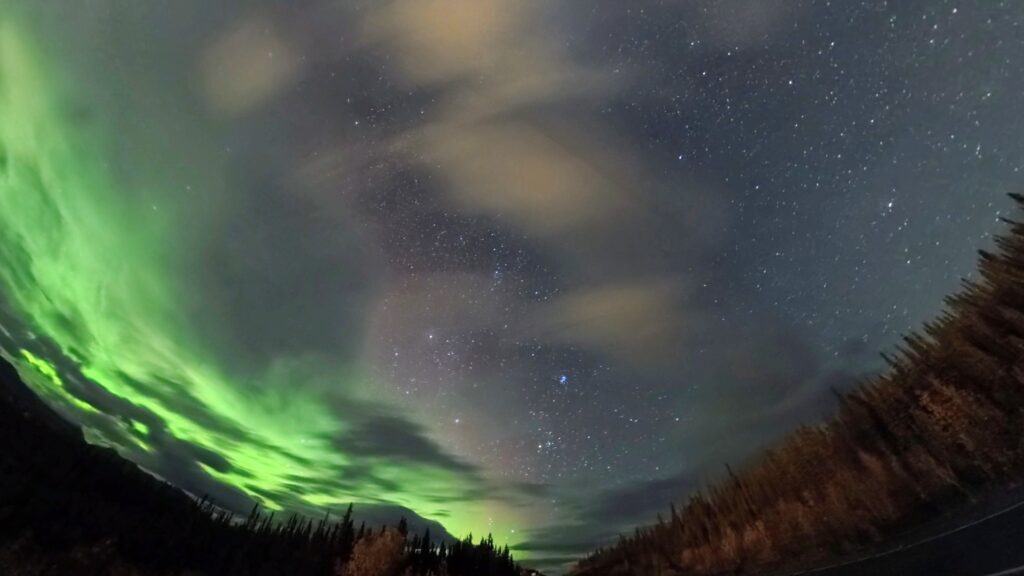
As with all northern lights guides, I must say as well that catching the Northern Lights is highly dependent on luck and weather.
The Yukon’s Aurora season starts from late August to mid-April, this is when the skies get dark enough to see the Northern Lights.
Autumn is the perfect time to see the Northern Lights as the weather is mild. The Yukon is a great place to be for catching the Northern Lights as during the day you get to do other outdoor activities while admiring the vibrant gold colour of the Yukon landscape.
Due to the Yukon’s proximity to the Arctic circle, a KP index of 1-4 is enough to see the Northern Lights which is the case almost everyday. You will be able to see it as long as there is clear skies, even in the city of Whitehorse because of the low light pollution. With a stronger KP you can even see more colours!
I used these applications and resources to help me chase the Aurora:
- My Aurora Forecast and Alerts – To get Aurora alerts and track the predicated KP index
- The Aurora Borealis in Canada’s Yukon – A Facebook group dedicated to posting photos and updates on where to catch the northern lights. Seeing the pictures here should convince you enough to visit the Yukon!
Day 1-3: Carcross
After landing in Whitehorse in the evening, we headed straight down south for a 50 minutes drive to Carcross where spent the next 3 nights in a very well equipped and cosy A-frame.
Carcross, in short for “Caribou Crossing”, is home to the Tagish First Nations indigenous people.
A majority of the infrastructure in Carcross, such as the railroads, were built dating back to the Klondike Gold Rush era between 1896 to 1899 to accommodate the gold seekers then. Today, Carcross town is a small and hip town with shops selling local goods and crafts.
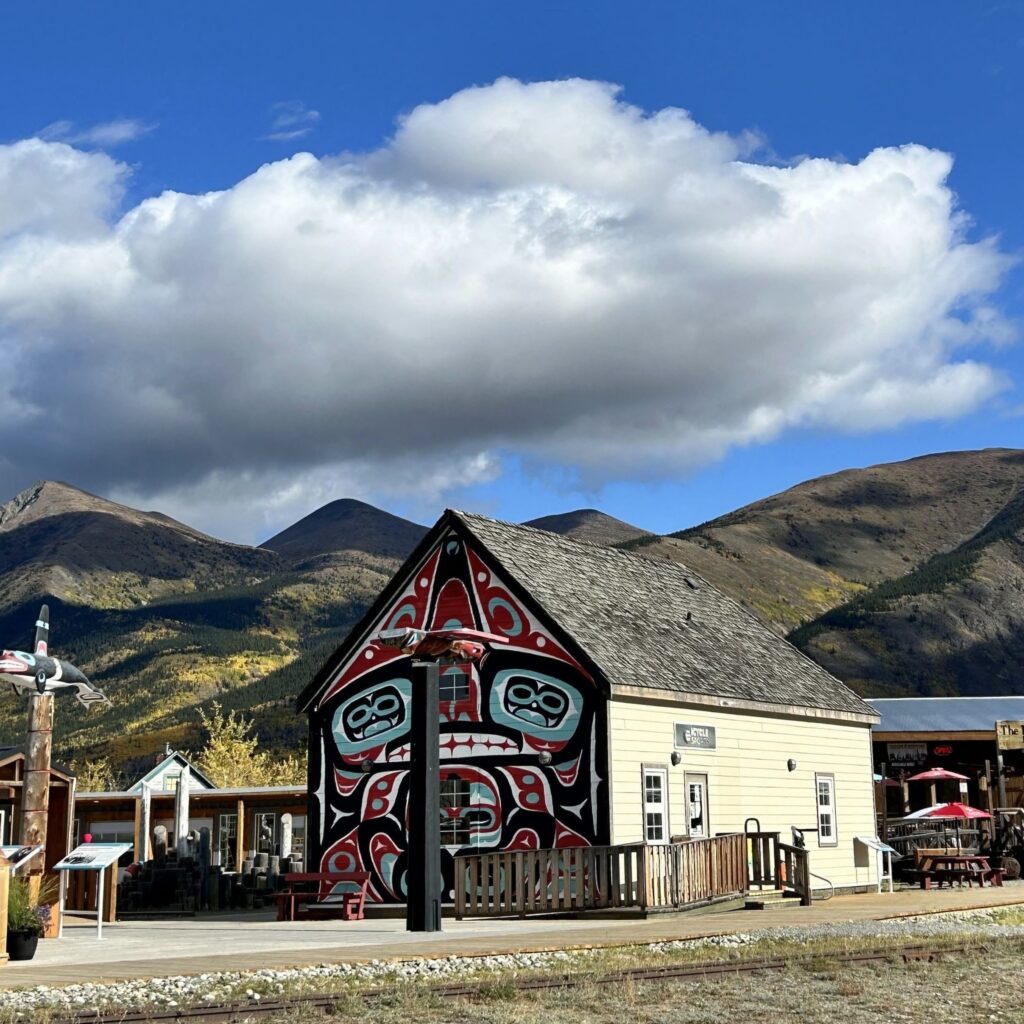

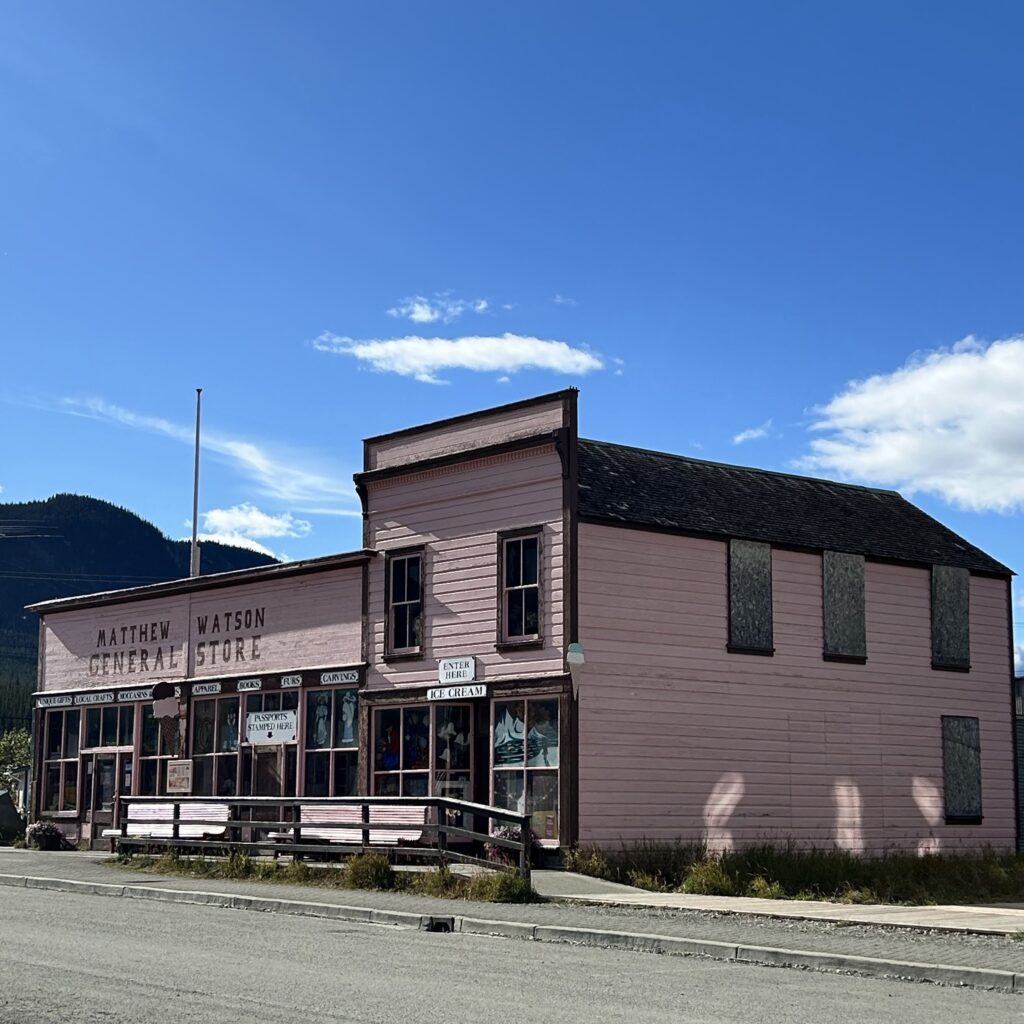
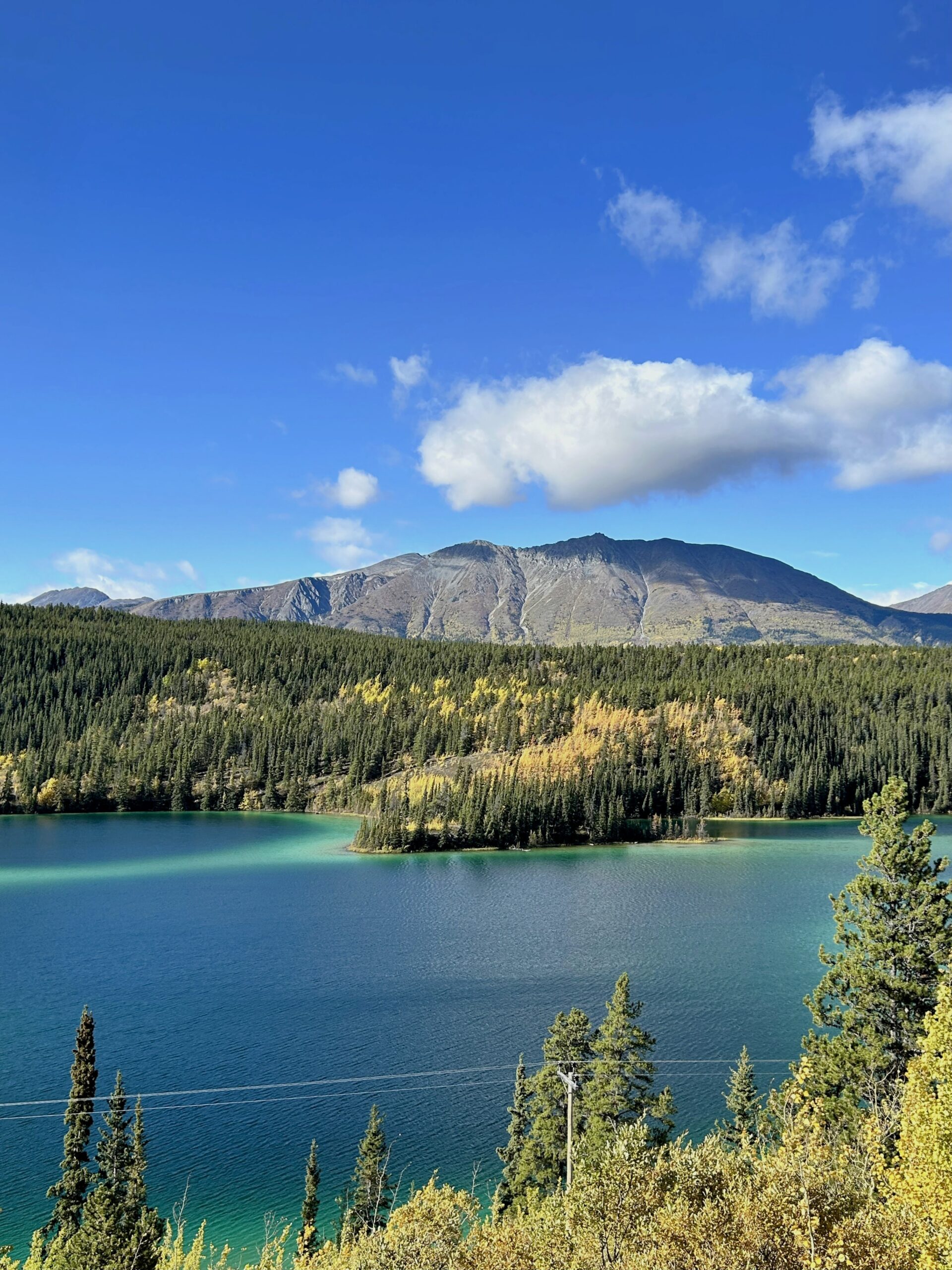
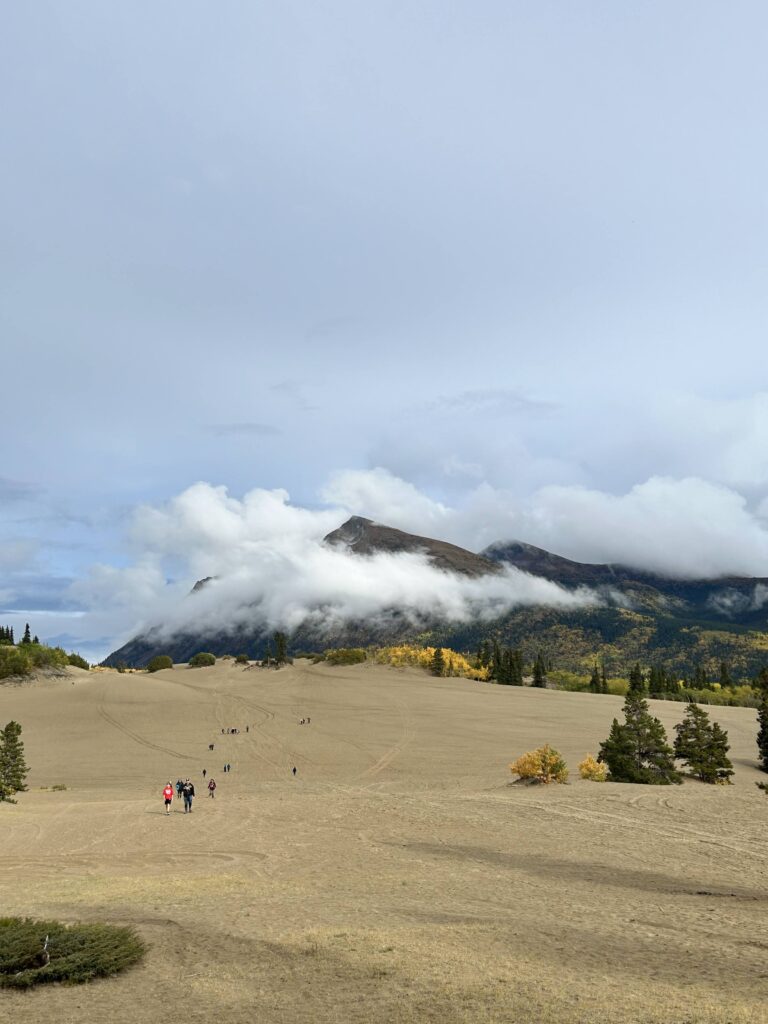
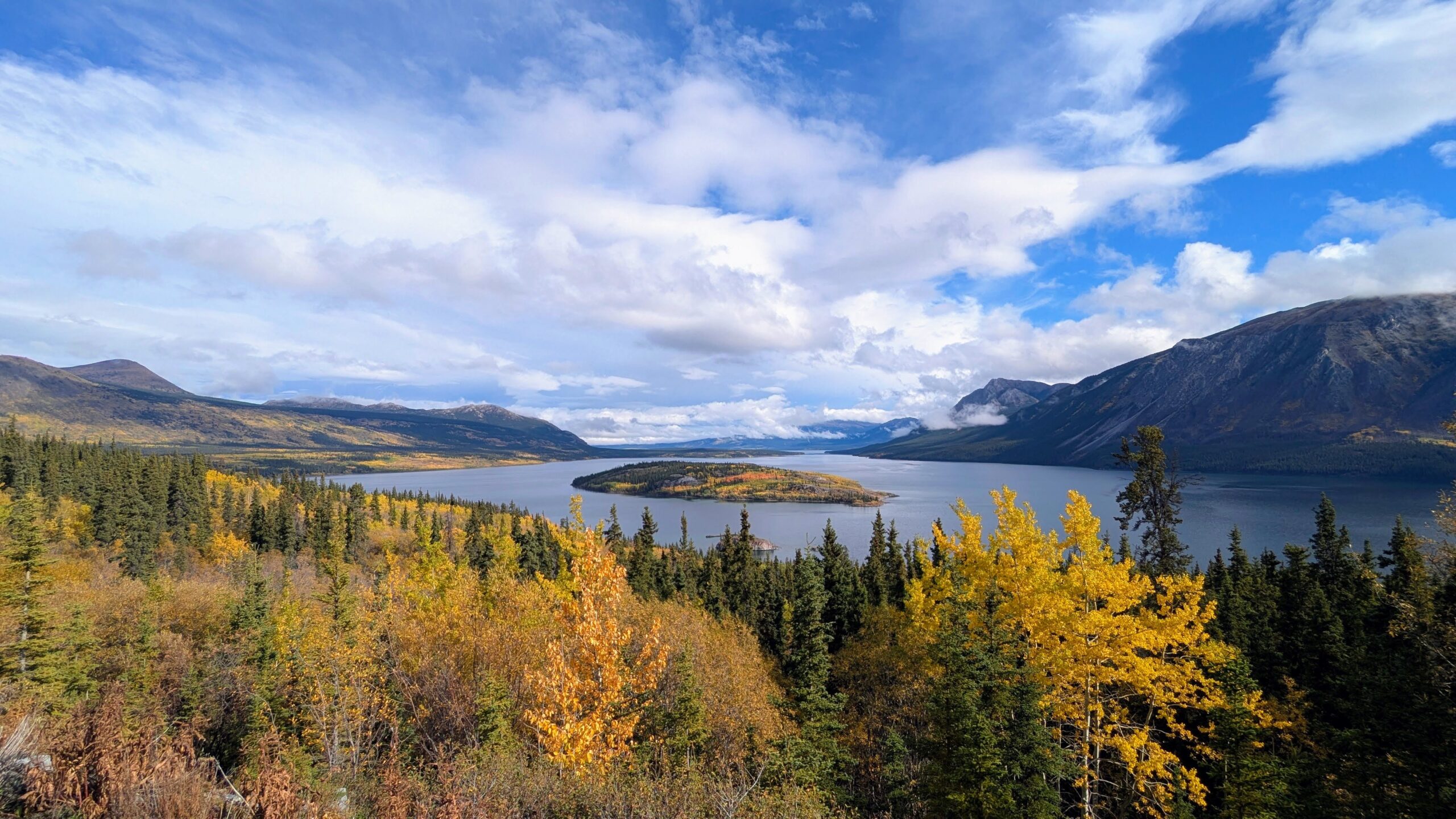
For one day, we spent our time visiting the popular sights around Carcross such as the world smallest desert and admiring the scenic Autumn views with a drive down south all the way to Fraser’s Lookout by the Alaska border.
You could even extend this to a day trip down to Skagway in Alaska!
Day 2: Caribou Mountain
The next day, we hiked the nearby Caribou Mountain. I enjoyed this hike, it was short, simple and straightforward with promise of great views and it did not disappoint.
Upon reaching the halfway point, we were rewarded by the incredible views of the Yukon landscape in Autumn.
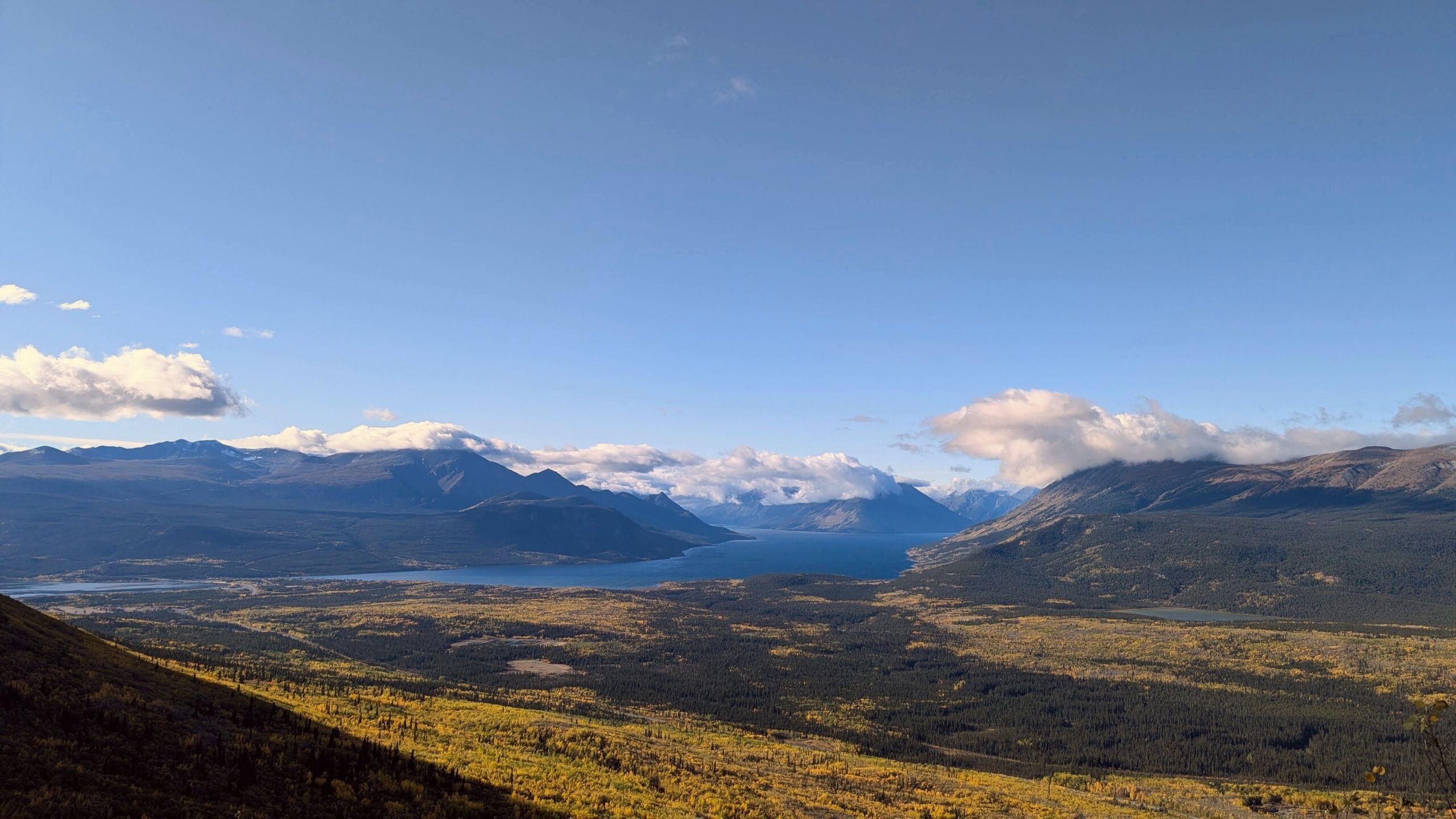
Coming from an extremely dense and compact city in Singapore, it was difficult to comprehend the vastness of this place.
Day 3: Whitehorse
On day 3, we said goodbye to Carcross and headed back to Whitehorse en-route to Haines Junction.
The total journey from Carcross to Haines Junction is estimated to be around 225km! However, the stopover in Whitehorse allowed us to get a quick lunch and then stock up on groceries and essentials.
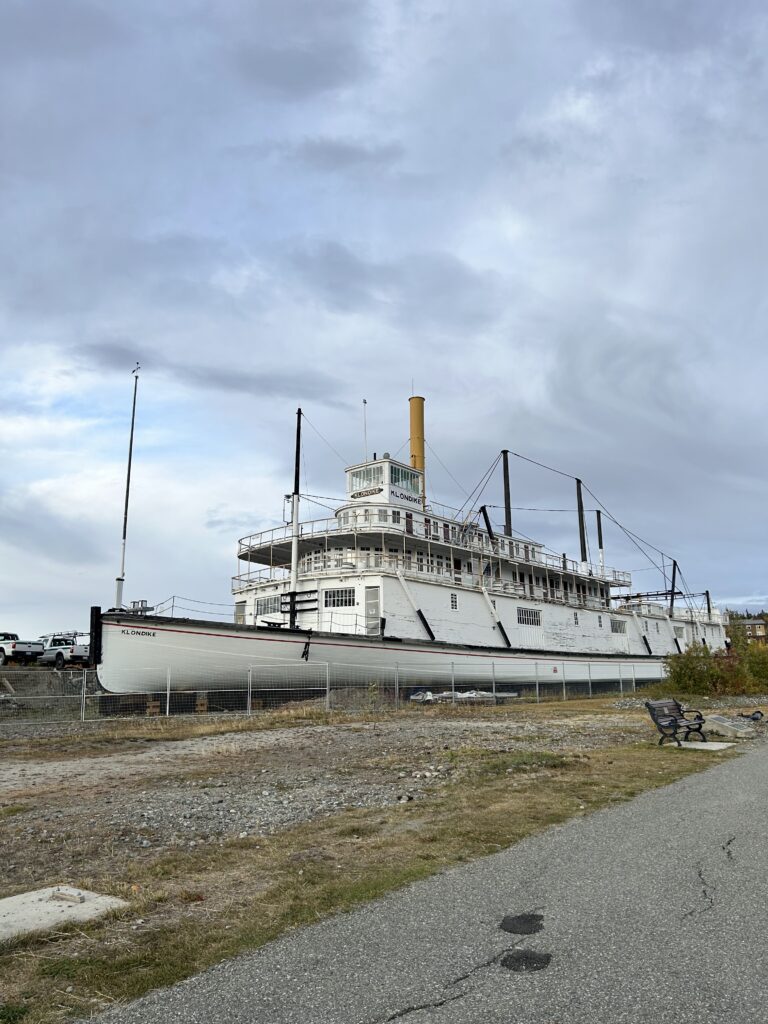
Despite being the largest city and capital of the Yukon, Whitehorse surprisingly has a small town charm to it and I loved the vibes here! The people in Whitehorse are super friendly and are always happy to strike a conversation.
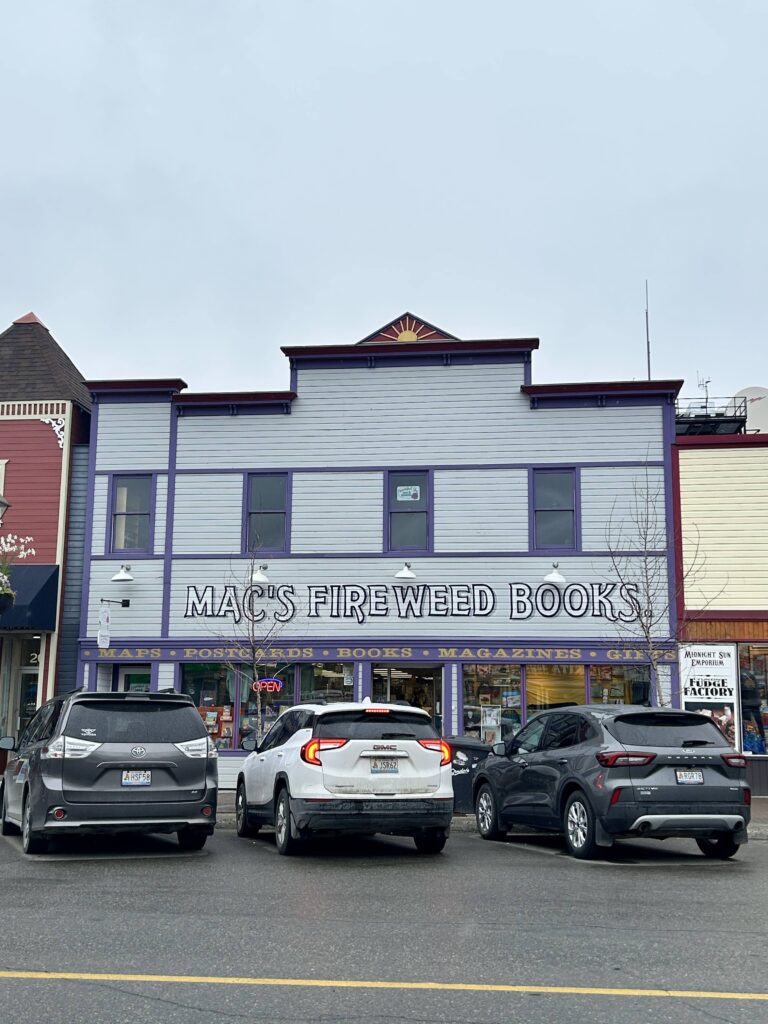
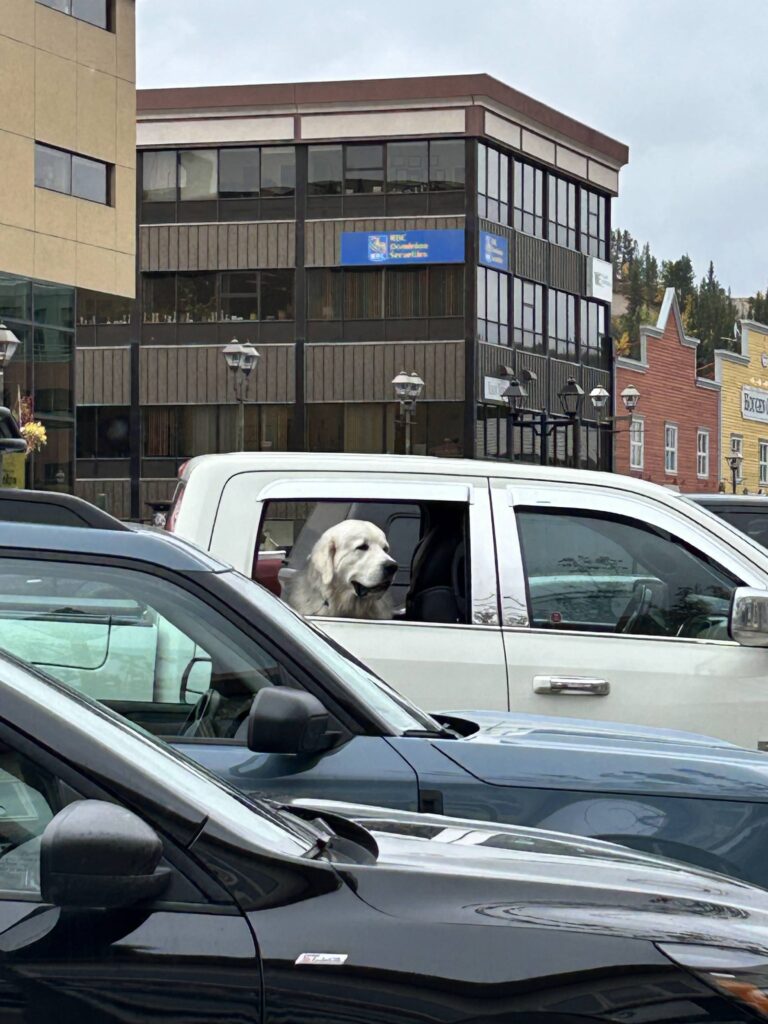
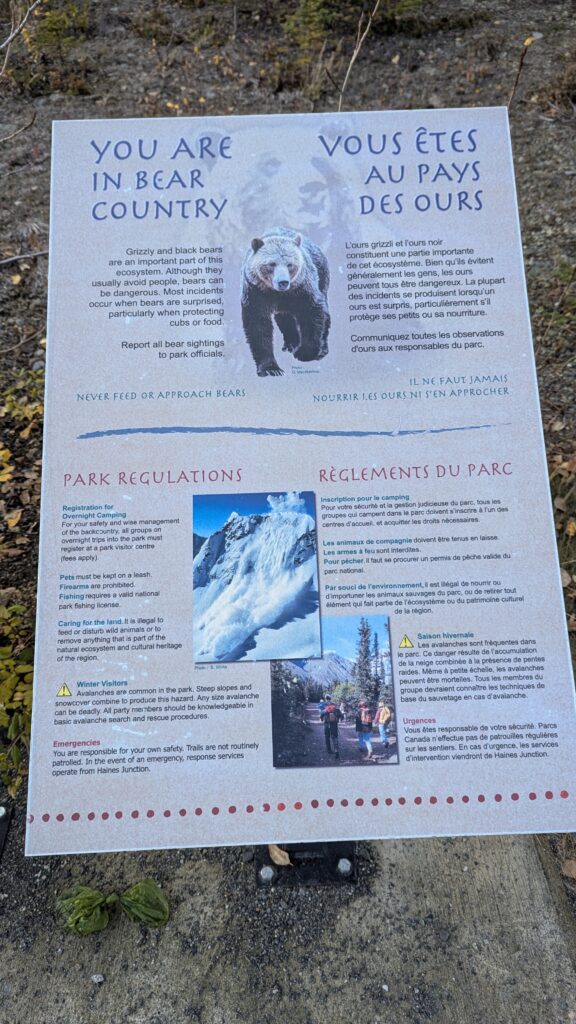
If you plan to go hiking like us, be sure to take this chance to either purchase or rent bear spray in Whitehorse if you do not already have it. We rented our bear spray from The Base Outdoor Rentals!
Parking
There are plenty of street parking where you can pay via coins.
However as a tourist to the Yukon, you can head over to the Whitehorse Yukon Visitor Centre where you will be able to get 3 days of parking for free!
Day 3-6: Haines Junction / Kluane National Park
Our destination of the day, Haines Junction, is a small town along the magnificent Alaska highway it is dubbed the gateway to Kluane National Park. This is where we will be basing ourselves for the next 3 days.
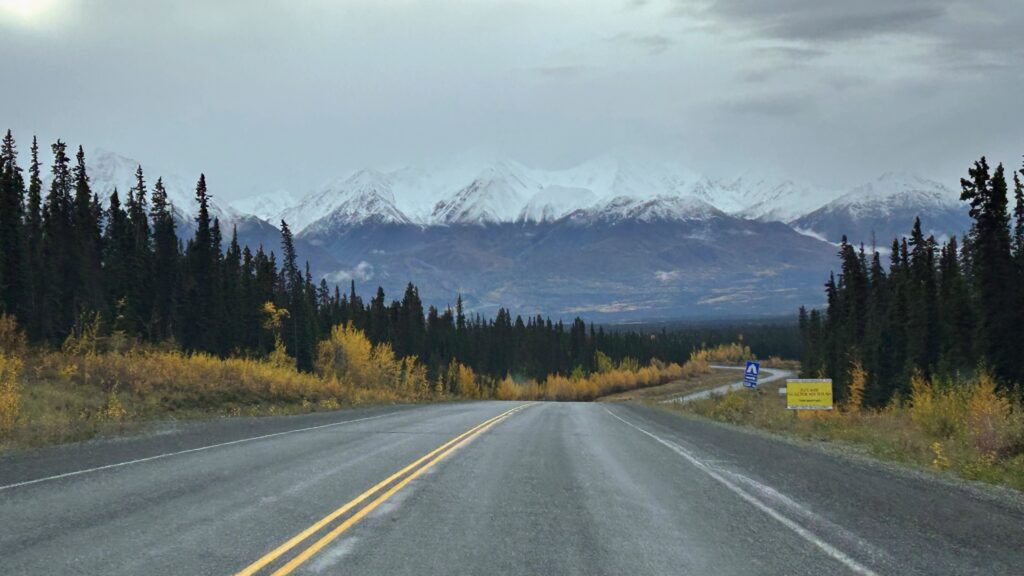
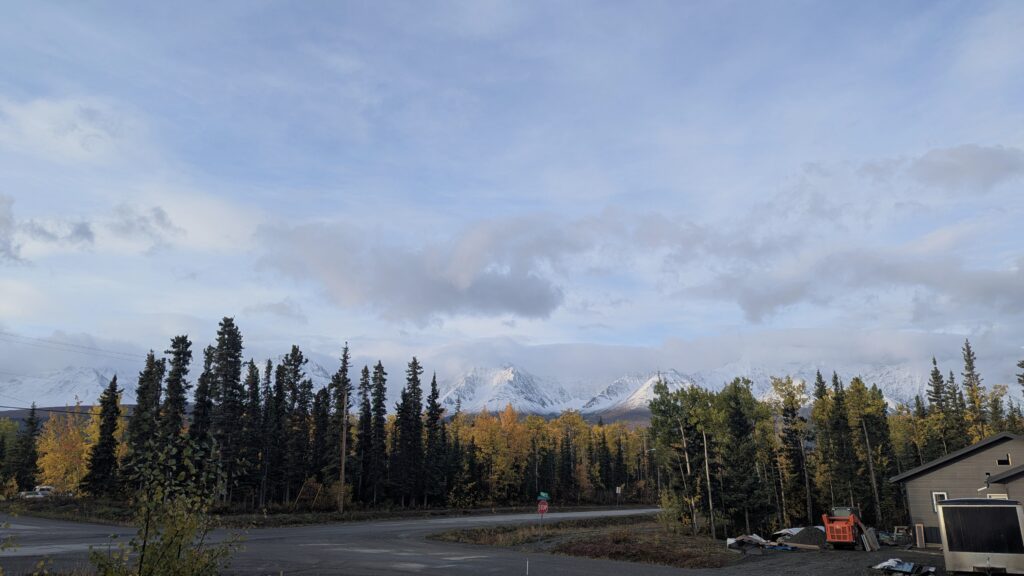
Kluane National Park is a vast, untouched and rugged landscape surrounded by snow-capped mountains. It is home to the highest peak in Canada, Mount Logan. The scenery in and around this area was spectacular, it was easily my favourite place throughout my entire trip.
Seeing the huge snow-capped mountains of Kluane while pulling into Haines Junction for the first was unforgettable.
Day 4: Kluane National Park
On our first full day in the area, we took a drive south down the Alaska highway.
The scenery at every turn was so gorgeous that it felt like we were inside a postcard.

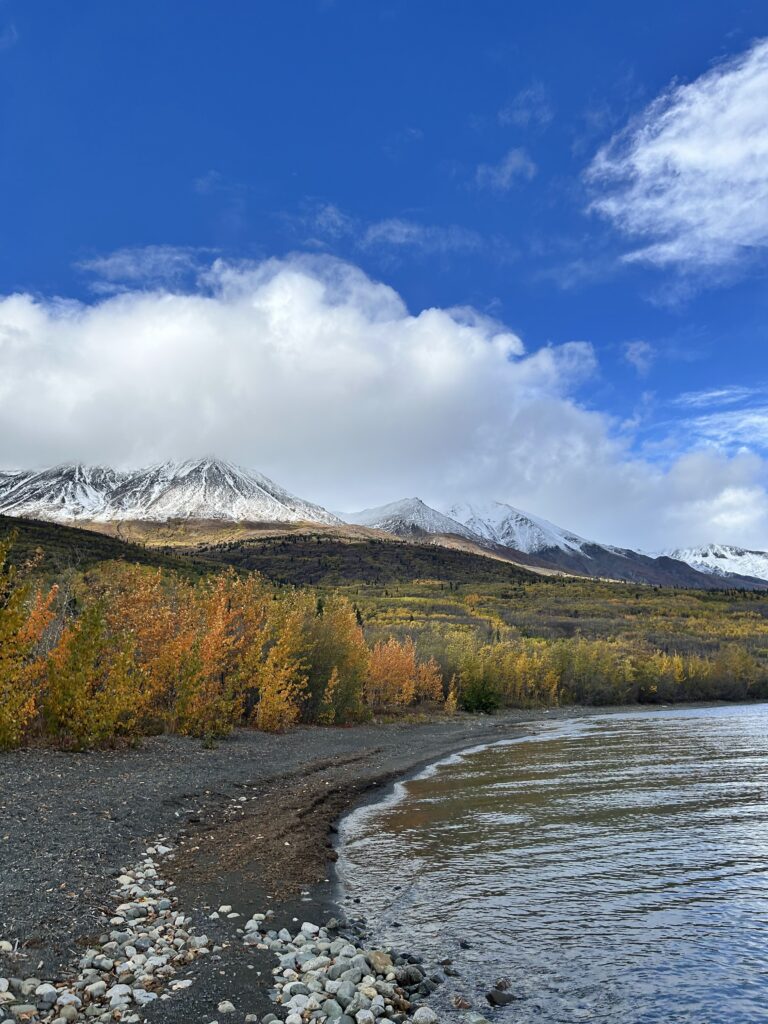
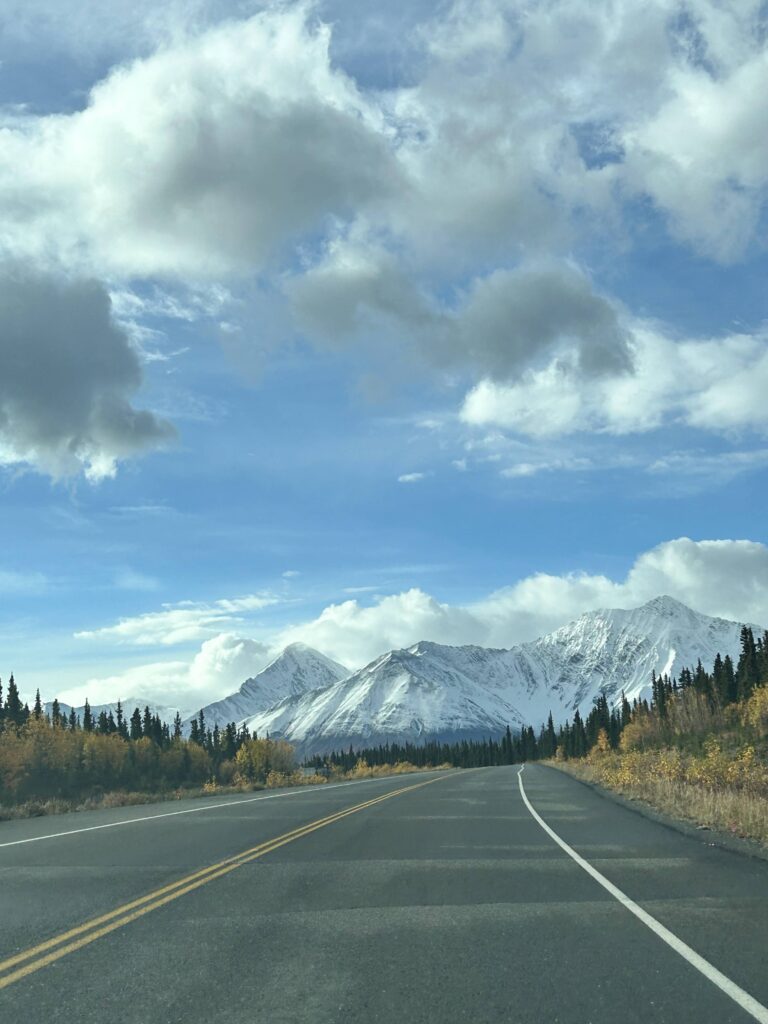
There weren’t many visitors this time of the year and often at times we had the feeling that we were on the edge of the world.
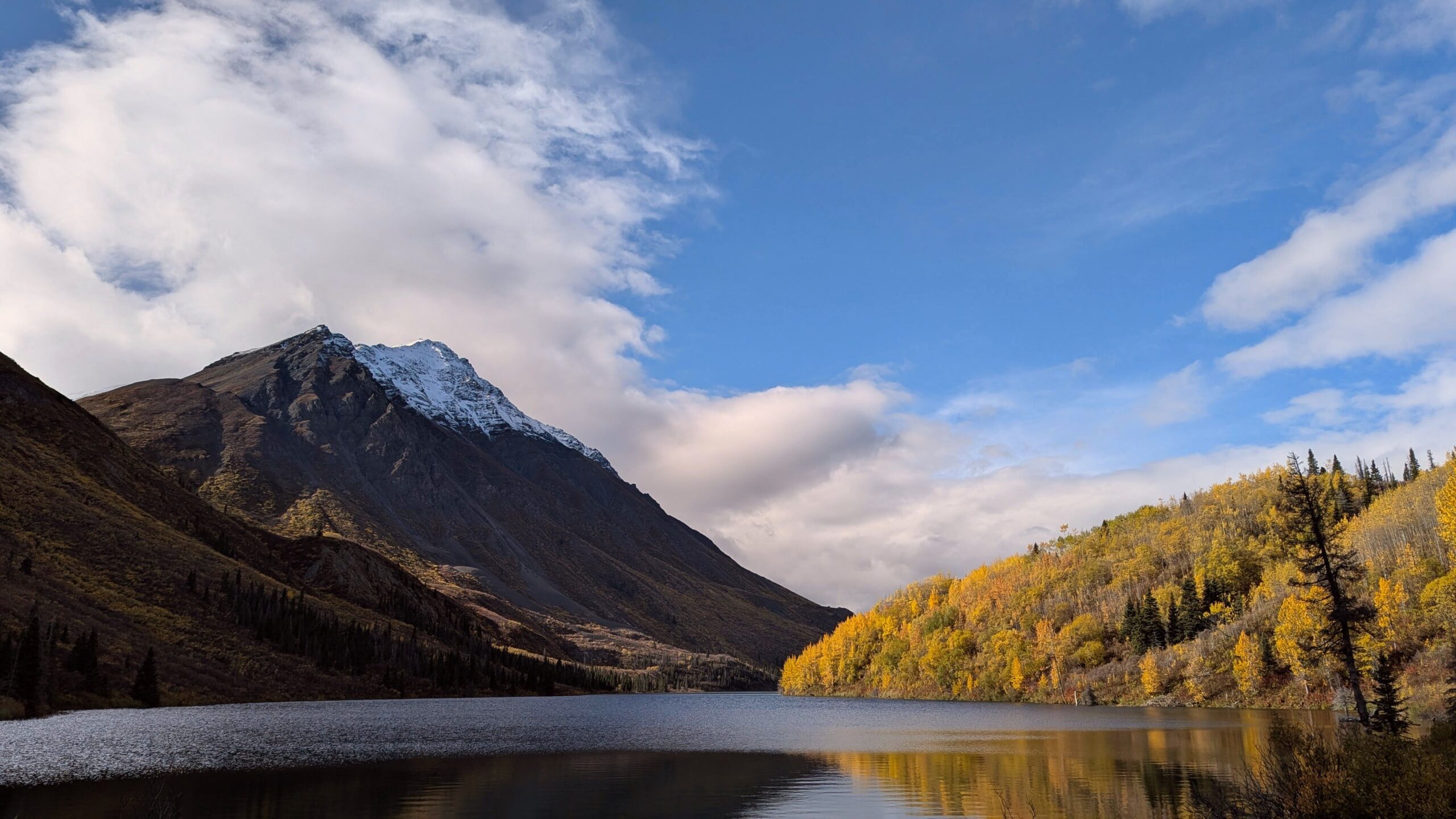
St Elias Lake
The first stop of our day was to St Elias Lake. A gorgeous sub alpine lake.
The hike itself was short and easy, we loved it! It should be easily doable for all ages.
Kathleen Lake
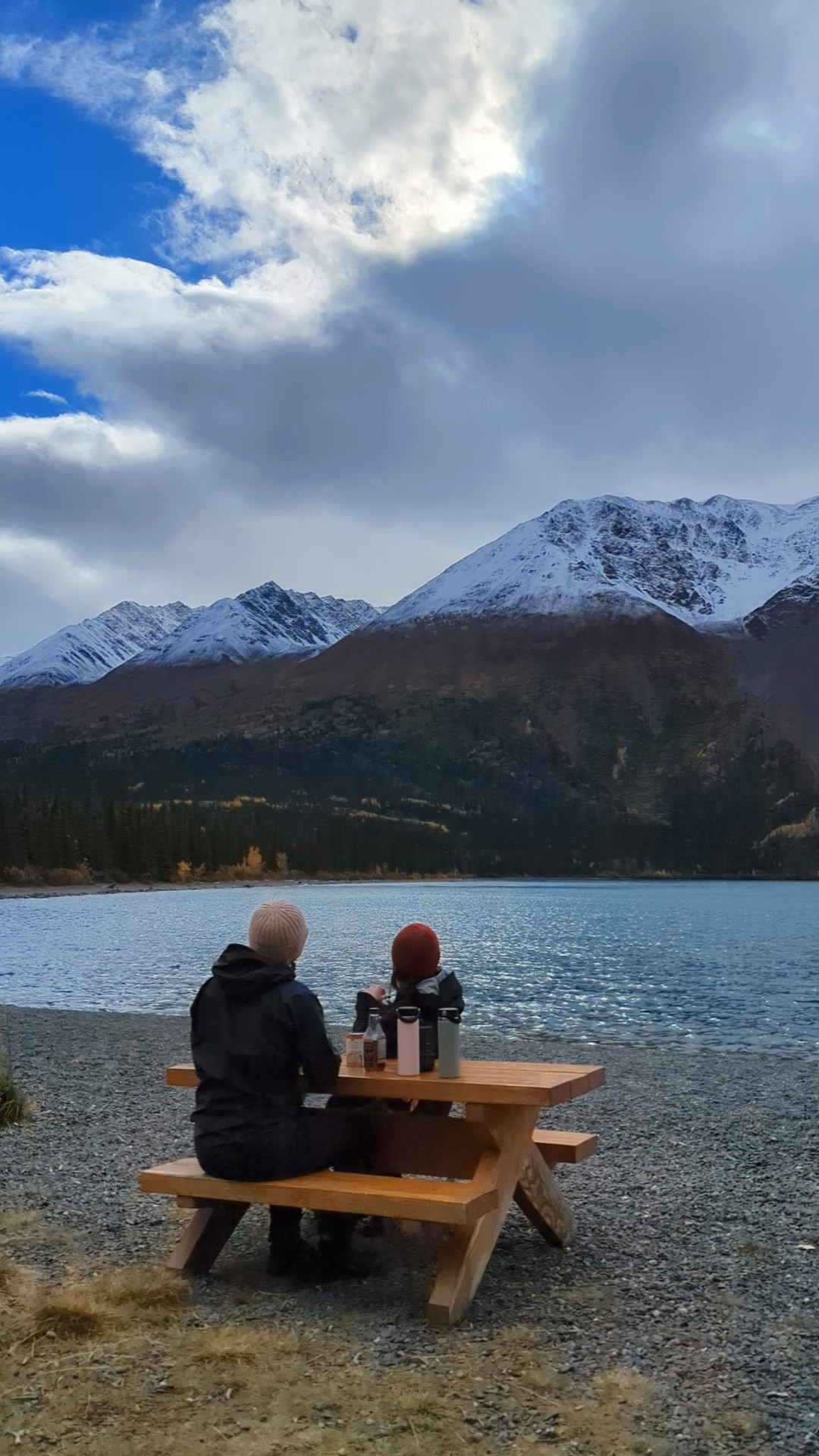
We then drove over to Kathleen Lake where we had a picnic while admiring the views of St. Elias mountain range.
During the summer season, Kathleen Lake is the place to be for canoeing and camping activities.
It was certainly one of the best places to have lunch.
Day 5: Kluane National Park
Today we drove up north towards Kluane lake and it was the day we went on a decently long hike!
Sheep Creek Trail
The Sheep Creek Trail is 10km roundtrip, it was quite a lovely hike with views of the Slim’s River Valley, towards the end we even manage to catch a glimpse of the toe of the Kaskawulsh glacier inside Kluane. On a good day, you may find many sheeps grazing in the distance!
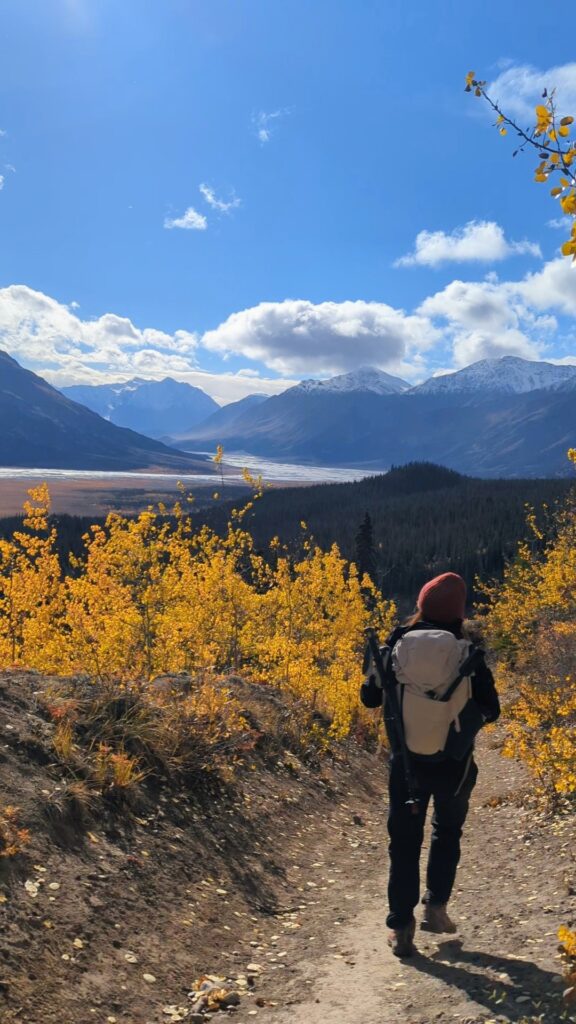
The Slim’s River had seen better days in the past, now it is mostly dried up due to the receding Kaskawulsh Glacier changing the flow of the river.
A grim reminder of the effects of climate change even in the remoteness of these lands.
The Sheep Creek trailhead shares the same with a longer and tougher hike: Observation Mountain which gives you an overhead view of the Kaskawulsh Glacier. If you are up for a challenge this is something you can do!
Chasing the Northern Lights
After battling the consecutive cloudy nights, we finally got a clear forecast.
We knew tonight was the night.
It was around midnight when we took a short 5 minutes drive onto the side of the Alaska highway in pitch black darkness and there it was dancing in front our eyes.
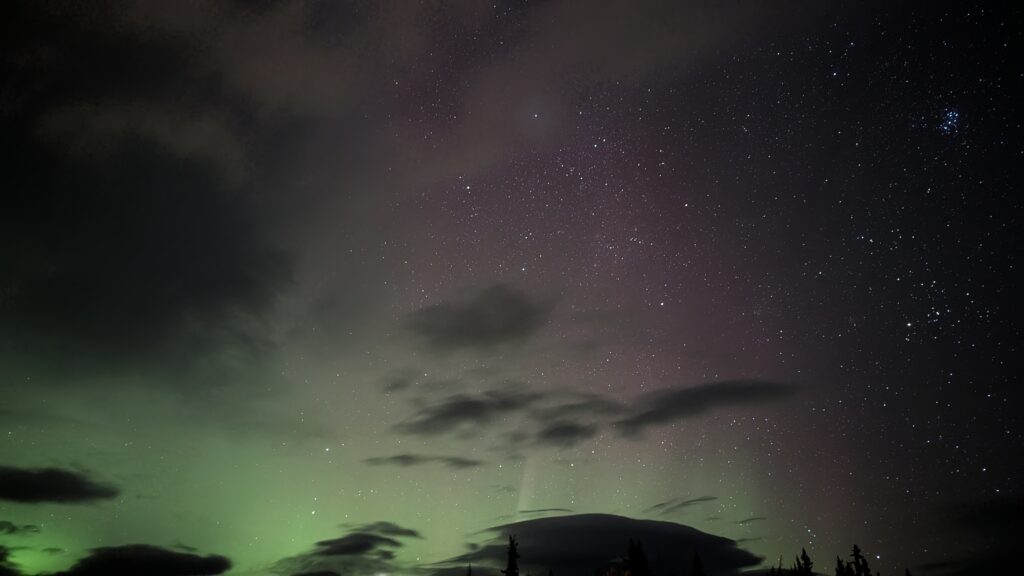
Seeing the Northern Lights live is always a magical experience.
Being first time Northern Lights chasers, we didn’t know what to expect but if you are seeing it for the first time simply look for bright spots in the nights skies and point your camera towards it. It was quite obvious for us as the lights were strong enough to be seen without camera and considering that it was pitch black, the bright spots were rather obvious.
Day 6: Whitehorse
Feeling the sense of self accomplishment of our adventures in Kluane, we headed back to Whitehorse where we will be staying the night before heading out of the Yukon.
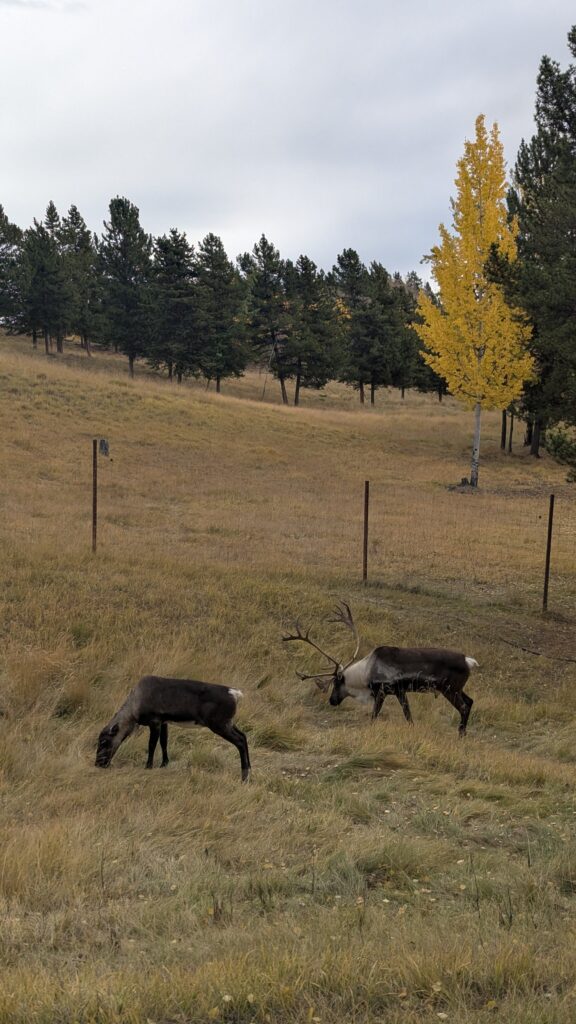
On our way, we stopped by at one of the most important places in the Yukon, the Yukon Wildlife Preserve.
Yukon Wildlife Preserve
If you can only do one thing in the Whitehorse area this should be it.
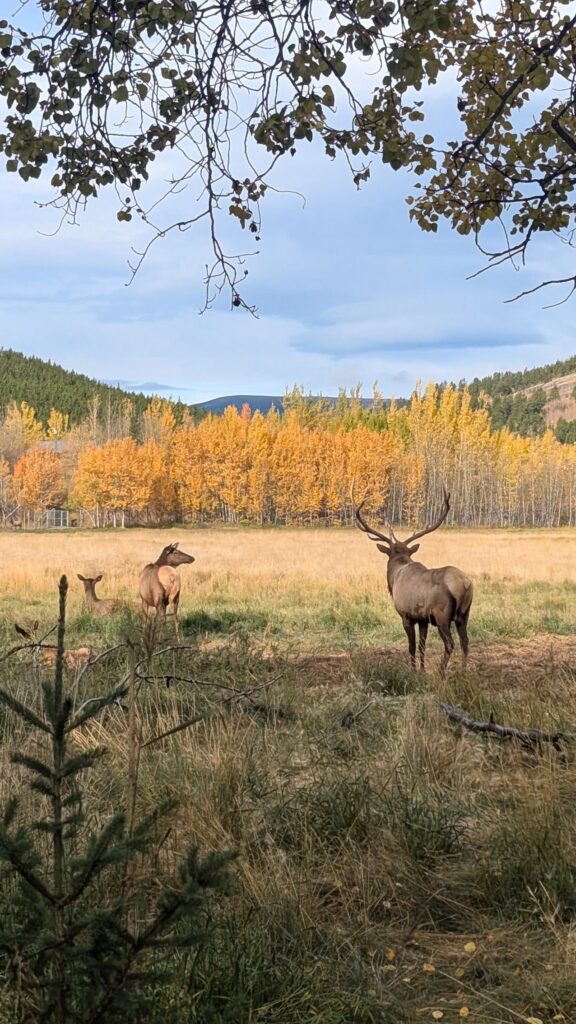
The Yukon Wildlife Preserve is a facility that takes in injured native Yukon animals, nurturing them and providing them with a safe space to live against the harsh Yukon climate.
The preserve itself is pretty huge and is made up of several different sanctuaries for each animal species. Each sanctuary is made to mimic the native habitat that they would have in the wild.
You can either walk by yourself or go on a guided bus tour. As the tickets are valid for the whole day you could also choose to take the tour then come back for walk later.
We highly recommend the bus tour! Our guide, Andrew, was very engaging and provided great information of the native animals, you could tell he really loves his job!
Day 7: Leaving Yukon
Having seen and experiencing many new things on our trip, we left the Yukon feeling extremely fulfilled! The Yukon will always have a special place in our hearts. The people and the scenic views what made it so great! It is fascinating how we didn’t know of its existence prior and then come to love it so much!
I hope this guide serves you well and provided you with some inspiration on your next trip.
For us, we boarded our Air North flight and headed towards the Canadian Rockies!